Ingrown Toenails
Toenails may seem like a small part of your body, but they play a big role in protecting the delicate bones of your toes—and for many people, they’re also a fun way to express personal style. However, when a toenail becomes ingrown, something so simple can turn into a painful problem that affects your mobility and overall foot health. If you’ve ever dealt with an ingrown toenail, you know just how uncomfortable it can be.
What Are Ingrown Toenails?
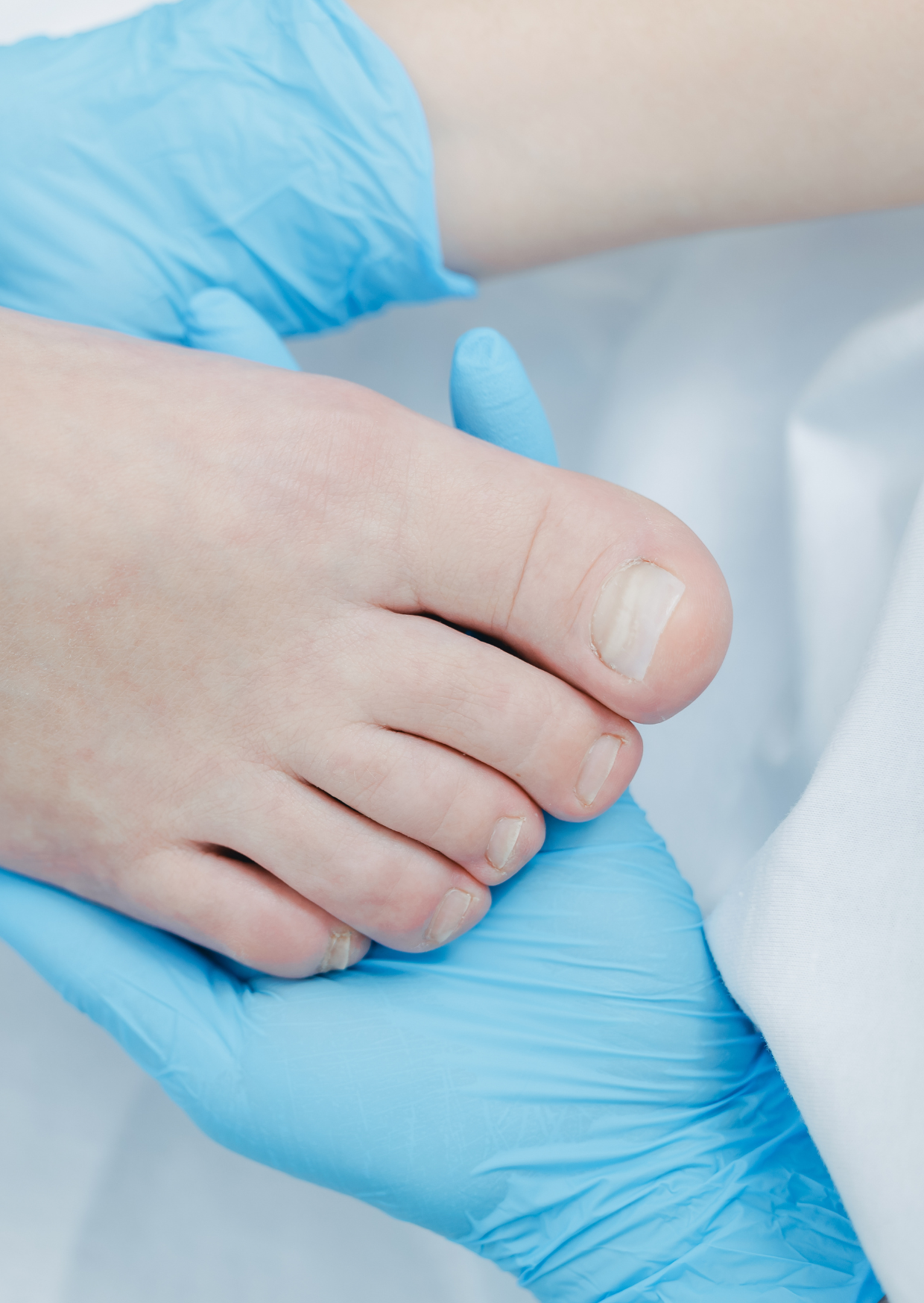
An ingrown toenail occurs when the edge of the nail grows into the surrounding skin instead of straight outward. This often affects the big toe.
Common symptoms include:
- Pain and tenderness along the nail edge
- Redness, swelling, and warmth
- Drainage of yellow pus as the nail digs deeper
- Extra skin or tissue forming around the nail
If the condition worsens, an infection may develop. Signs of infection include cloudy or white drainage, increasing redness, the appearance of pale skin within the irritated area, or even fever. Untreated ingrown toenails can lead to serious complications like abscess formation.
Causes of Ingrown Toenails
Several factors increase your risk of developing ingrown toenails, including:
- Improper toenail trimming
- Wearing tight or poorly fitted shoes
- Fungal nail infections
- Toe injuries, such as stubbing or dropping something on your foot
- Genetic factors, including naturally curved nails
Understanding the cause can help prevent recurring issues and protect your long-term foot health.
Preventing Ingrown Toenails
You can reduce your risk of ingrown toenails with consistent foot care and smart habits.
Proper Toenail Trimming
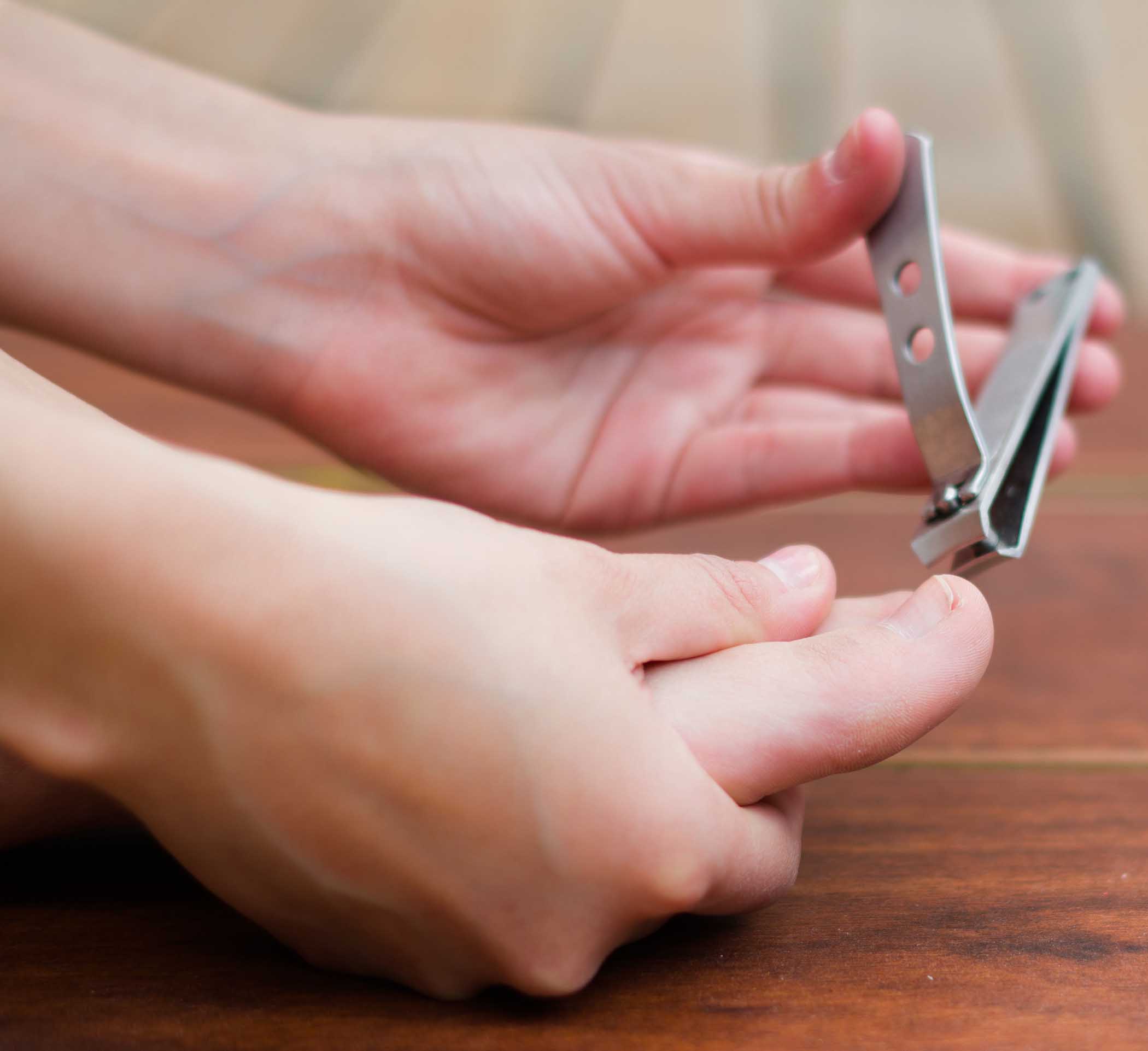
- Cut your toenails straight across, not following the toe’s curve
- Avoid trimming nails too short
- Keep your nail clippers clean, dry, and disinfected
Wear Appropriate Footwear
- Choose shoes with adequate room for your toes
- Avoid narrow, pointed, or high-heeled shoes that crowd the front of the foot
- Make sure your footwear does not compress or squeeze the toes
General Foot Care
Regular hygiene, avoiding trauma, and checking your feet often (especially if you have diabetes) go a long way in preventing nail problems.
Treatment Options for Ingrown Toenails
If you’re dealing with discomfort, several at-home and professional treatments are available.
At-Home Remedies
- Soak the affected foot in warm water 3–4 times daily
- Keep the toe clean and dry between soaks
- Gently lift the nail and place a small piece of cotton or dental floss underneath to guide proper growth (replace daily)
If symptoms do not improve within three days—or if pain, swelling, or drainage worsens—professional treatment is recommended.
Professional Care
Our podiatrist may recommend:
- Prescription medication to treat an infection
- Partial nail removal to remove the ingrown portion
- Full nail removal in severe cases
- Permanent nail removal for chronic or recurring ingrown toenails
These procedures help eliminate pain and prevent future problems.
Onyfix: A Non-Surgical Solution
At Crown Foot and Ankle, we proudly offer Onyfix, a modern, non-surgical treatment for ingrown toenails. This gentle system corrects nail curvature—the most common cause of ingrown nails.
How Onyfix Works:
- A composite material is applied and shaped directly on the nail
- Once hardened, it gradually guides the nail into a flatter, healthier position
- The treatment is completely pain-free and safe for all ages, including people with diabetes or circulation issues
Benefits of Onyfix:
- No downtime—resume normal activities immediately
- Non-invasive and comfortable
- Helps prevent future ingrown toenails
- Ideal for patients seeking an alternative to surgery
Take Action Today!
Don’t wait until the pain becomes severe. Early treatment can prevent infection and protect your long-term foot health. Contact us at Crown Foot and Ankle in Crown Point today to get expert care for your ingrown toenail. Call us at (219) 257-0255 or fill out our online contact form to schedule your appointment. Take the first step toward pain-free, healthy toenails—our team is here to help.