
Ingrown Toenail and Diabetes: What You Need to Know
For individuals managing Diabetes, looking after your feet plays an important role in staying healthy. Diabetes can affect the nerves and blood vessels in your feet, making even small foot issues more serious if left untreated. Because of these changes in sensation and circulation, conditions that might seem minor for others can become significant concerns for people with diabetes.
One common foot problem that requires extra attention is an ingrown toenail. While it may begin as mild discomfort, an ingrown toenail can lead to inflammation, infection, and delayed healing in diabetic patients.
Understanding how ingrown toenails develop, why they pose a greater risk for people with diabetes, and how to prevent and treat them can help protect your foot health. In this blog, we’ll discuss the causes of ingrown toenails, warning signs to watch for, prevention strategies, and professional treatment options.
Understanding Ingrown Toenails
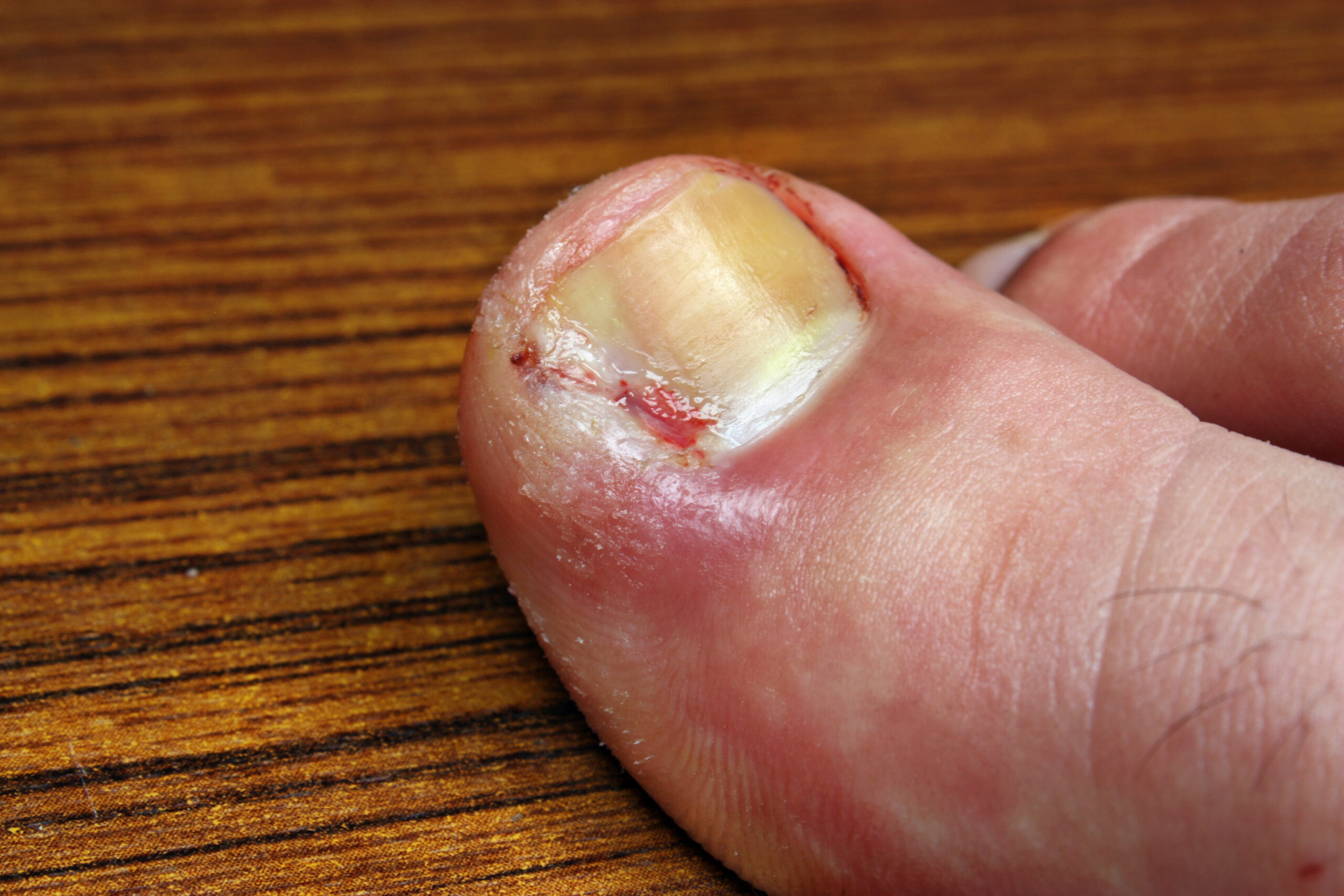
An ingrown toenail occurs when the nail’s edge digs into the skin around it, leading to redness and swelling. This condition most frequently affects the big toe, though it can develop on other toes as well.
Definition and Common Causes
Ingrown toenails can develop for several reasons, including:
- Cutting toenails too short or rounding the edges
- Wearing tight or narrow shoes
- Injury to the toe
- Repetitive pressure on the toenails
- Naturally curved or thick nails
Improper nail care is one of the most common causes, especially when the corners of the nail are trimmed too deeply.
How Ingrown Toenails Develop
When a nail grows into the surrounding skin instead of over it, the skin becomes irritated. This irritation can cause swelling, redness, and tenderness. As the nail continues to press into the skin, the area may become inflamed and vulnerable to infection.
The Connection Between Ingrown Toenails and Diabetes
People with diabetes face additional challenges when dealing with foot conditions. Two major factors make ingrown toenails more concerning:
- Peripheral neuropathy: Diabetes-related nerve damage. As a result, you may not feel pain or discomfort from an ingrown toenail right away.
- Poor circulation: Diabetes can reduce blood flow to the lower extremities, which slows healing and increases the risk of infection.
Because of these issues, even a small ingrown toenail can lead to serious complications if not addressed promptly.
Why Ingrown Toenails Are Risky for Diabetics
Although ingrown toenails are common, they can be particularly problematic for people with diabetes.
Slower Healing
Diabetes can interfere with the body’s ability to repair damaged tissue. Even a small break in the skin around an ingrown nail may take longer to heal.
Higher Risk of Infection
When the skin around the toenail becomes irritated or broken, bacteria can enter the area and cause infection. In individuals with diabetes, infections can spread more easily and may require prompt medical treatment.
Reduced Sensation Due to Neuropathy
Because nerve damage may limit feeling in the feet, many diabetic patients do not notice the early symptoms of an ingrown toenail. This delay can allow the condition to worsen before treatment is sought.
Symptoms to Watch For
Identifying the early signs of an ingrown toenail can help prevent complications.
Common symptoms include:
- Redness along the edge of the toenail
- Swelling around the nail
- Tenderness or discomfort in the affected toe
- Pain when pressure is applied, such as when wearing shoes
More advanced symptoms may include:
- Drainage or pus
- Increased warmth in the area
- Thickened skin near the nail
- Changes in skin color
If you have diabetes and notice any of these symptoms, it’s important to seek medical attention promptly.
Preventing Ingrown Toenails with Diabetes
Preventive care can significantly reduce the likelihood of developing ingrown toenails.
Trim Nails Properly
Toenails should be cut straight across rather than rounded at the corners. Doing so stops the sides of the nail from cutting into the skin.
Wear Proper Footwear
Choose shoes that provide adequate room for your toes. Tight shoes or high-pressure footwear can push the nails into the surrounding skin.
Perform Daily Foot Checks
Inspect your feet every day for:
- Redness
- Swelling
- Cuts or wounds
- Changes around the nails
Regular inspections allow you to identify problems early.
Avoid Cutting Nails Too Short
Leaving the nail slightly longer helps prevent the edges from digging into the surrounding skin.
Consider Professional Foot Care
For individuals with diabetes, routine foot care from a podiatrist can be extremely beneficial. A podiatrist can safely trim nails and monitor for early signs of foot complications.
Treatment Options
If an ingrown toenail develops, professional treatment is often the safest option for people with diabetes.
Podiatric Nail Care
A podiatrist can carefully trim the affected portion of the nail to relieve pressure and reduce irritation.
Antibiotic Treatment
If infection is present, antibiotics may be prescribed to control the infection and support healing.
Partial Nail Removal
In more severe cases, a minor procedure may be performed to remove part of the nail that is growing into the skin.
Permanent Treatment for Recurring Ingrown Toenails
For patients who experience frequent ingrown toenails, a podiatrist may recommend a procedure that permanently removes the portion of the nail responsible for repeated problems.
This treatment can help prevent future occurrences.
When to Seek Medical Attention
People with diabetes should avoid attempting to treat an ingrown toenail at home. Professional care is the safest option.
Seek medical attention if you notice:
- Persistent pain in the toe
- Swelling that worsens over time
- Signs of infection such as pus or drainage
- Skin discoloration
- A wound that does not heal
Ignoring these symptoms can lead to more serious complications.
Conclusion
Ingrown toenails are a common condition, but they can pose greater risks for individuals living with diabetes. Reduced sensation, poor circulation, and slower healing can make even small nail problems more serious if left untreated.
By practicing proper nail care, wearing supportive footwear, and performing daily foot checks, you can help reduce your risk. Most importantly, addressing problems early with professional care can prevent complications and keep your feet healthy.
Take the Next Step Toward Healthier Feet
If you have diabetes and are experiencing symptoms of an ingrown toenail, don’t wait for the problem to worsen.
Our podiatry team provides expert care for diabetic foot conditions, including safe nail treatments and preventive foot care. Schedule an appointment at Crown Foot and Ankle today to receive a professional evaluation and personalized treatment designed to protect your long-term foot health.